
Discover the Best Indoor Plants for Health, Healing & Everyday Well-Being
These are my carefully selected health-boosting houseplants, the ones that help filter indoor air, support easier breathing, and contribute to a cleaner, more comfortable home environment.
Whether you want to reduce indoor pollutants, ease dryness and irritation, or create a space that supports better sleep and focus, this curated top-10 list brings together some of the most research-backed, health-supporting plants you can grow indoors.
Each plant was chosen for its documented impact on indoor air quality, its contribution to a healthier microclimate, and its positive effect on how your body feels day to day.
This plants help your lungs, your skin, and your nervous system. Working quietly in the background to support your health, naturally and continuously.
I personally select and recommend every product you see on this page because I believe it truly helps you grow healthier, happier indoor plants, also for convenience and fast shipping, we link to products available on Amazon.
As an Amazon Associate, we earn a small commission from qualifying purchases at no extra cost to you. Every purchase you make helps support our mission to share knowledge, inspire greener homes, and keep the Indoor Plant Care community growing. 🌱
Top Indoor Plants for
Wellness & Healing
Health benefit:
Often highlighted for its ability to help reduce formaldehyde and dust in indoor air, contributing to a cleaner, more comfortable environment.
Care tip:
Place in bright, indirect light and water when the top of the soil feels dry; avoid overwatering.


Health benefit:
Known as a “natural air purifier” that can help remove benzene and formaldehyde, while producing plenty of oxygen indoors.
Care tip:
Likes evenly moist soil and medium to low light; protect it from cold drafts and very dry air.

Health benefit:
Scored very high in the NASA Clean Air Study for removing formaldehyde, benzene and trichloroethylene, and also adds gentle humidity to the room.
Care tip:
Give it indirect light and keep the soil lightly moist, never completely dry or waterlogged.

Health benefit:
Frequently described as a “natural humidifier” that can help remove common indoor pollutants like formaldehyde, xylene and toluene while increasing moisture in dry rooms.
Care tip:
Thrives in bright, filtered light; water regularly but let the top layer of soil dry slightly between waterings.

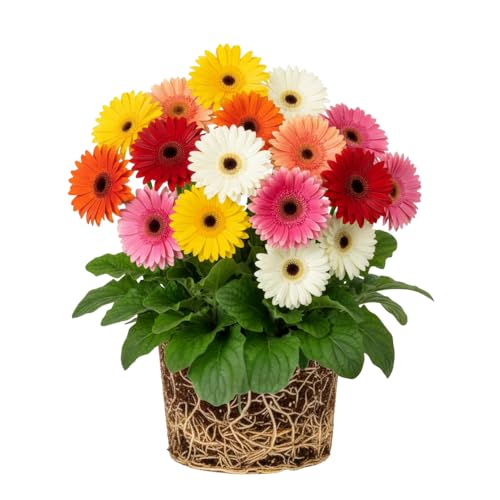
Health benefit:
Featured in NASA-inspired lists for its ability (in chamber tests) to reduce benzene and trichloroethylene, while the bright flowers have a strong mood-boosting effect.
Care tip:
Needs very bright light (ideally a sunny window) and well-draining soil; water when the top soil feels dry, but don’t leave water sitting in the saucer.
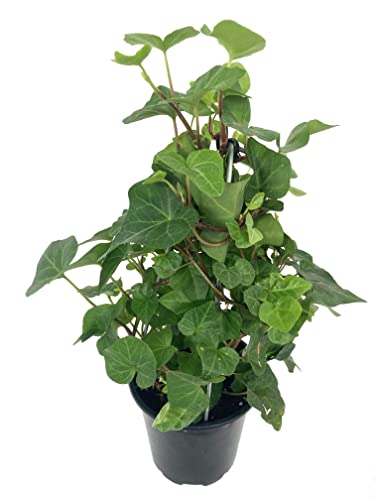
Health benefit:
Frequently cited for removing VOCs such as benzene, formaldehyde and trichloroethylene in lab setups, and may help reduce airborne mold in humid spaces.
Care tip:
Prefers moderate light and consistently moist (not soggy) soil; excellent in hanging pots or on shelves.
Health benefit:
Well known as a natural humidifier and air-purifying plant that can help absorb formaldehyde, xylene and toluene, easing dry air discomfort (dry skin, nose, throat).
Care tip:
Loves high humidity and indirect light; keep the soil evenly moist and mist or use a humidifier nearby.

Health benefit:
Considered a top air-purifying palm, helping filter toxins like benzene, formaldehyde, ammonia and other household pollutants, and is also non-toxic to pets.
Care tip:
Tolerates low to medium light, avoids harsh sun, and prefers regular but moderate watering (let the top soil dry slightly first).

Health benefit:
Modern guides highlight it as an easy-care plant that can help filter toxins like benzene, xylene and toluene, improving perceived air freshness even in low-light rooms.
Care tip:
Extremely forgiving: place in low to bright indirect light and let the soil dry out completely between waterings.

Health benefit:
Identified in research as effective at filtering formaldehyde from indoor air, supporting a healthier indoor atmosphere.
Care tip:
Place in bright, indirect light and keep watering steady but moderate; it dislikes sudden changes in light, temperature or position.
